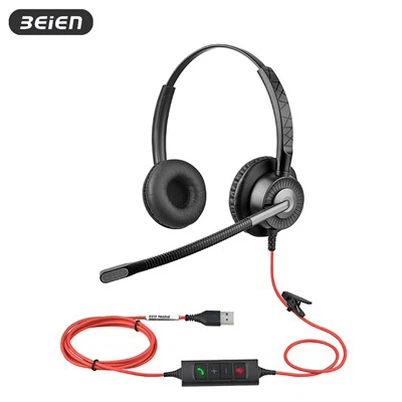
2025: The Awakening of Demand in the Headphone Industry
ایک پیغام چھوڑیں۔
The core of the "demand awakening" in the headphone industry in 2025 lies in users shifting from "functional satisfaction" to "precise scenario-based experience." Technological breakthroughs are driving the evolution of headphones from "durable goods" to "scenario-specific, consumable necessities," and the deep penetration of AI is further reshaping the value of headphones, upgrading them from "audio tools" to "personal intelligent companions."
I. The Awakening of Consumer Attitudes: Headphones Evolve from "Backup Tools" to "Scenario-Specific Necessities"
- In the past, the core selling points of headphones were "good sound quality" and "strong noise cancellation." Now, users are more focused on segmented scenario experiences, such as "clearly hearing announcements on the subway," "no delay in instructions at the gym," and "not missing any details in meeting recordings." According to the Himalaya White Paper, in 2024, China's Bluetooth headphone shipments reached 114 million units, a year-on-year increase of 19%, with open-ear headphone shipments reaching 24.92 million units, a year-on-year surge of 212%; 67.71% of users own more than two pairs of headphones, indicating strong demand in scenarios such as sleep, exercise, and office work.
- Headphones have evolved from "mobile phone accessories" to scenario-specific necessities. Early users considered headphones as free gifts and had low willingness to purchase them separately; after the AirPods launched the wireless revolution in 2016, users began to pay for "independent audio tools"; now, with basic functions such as wireless and noise cancellation being met, demand is extending to "scenario adaptation," and users are more willing to pay a premium for "experiential value." For example, Jesse went from "never buying headphones if they came with a phone" to spending thousands of yuan on open-ear headphones because they are lightweight, have good sound quality, and are suitable for outdoor running.

II. Technological Breakthroughs Drive Scenario Adaptation, and Users Pay for Being "Understood"
1. Scenario-Based Technological Solutions: Industry players define technology based on scenarios, driving the evolution of headphones from "general functions" to "precise adaptation." For example:
- User needs focus on comfortable and secure fit, and environmental awareness. Shokz OpenRun Pro 2 uses skin-friendly silicone + titanium alloy frame three-point support structure, with an ultra-lightweight design of only 30g, combined with patented Shokz OpenBass™ 2.0 technology, solving the problems of bone conduction vibration discomfort and air conduction sound leakage, achieving a balance between "imperceptible wearing" and solid sound quality.
- Users need noise cancellation and transparency modes. Huawei FreeBuds Pro 3 uses intelligent dynamic noise cancellation 3.0 technology to automatically adjust the noise cancellation depth according to environmental noise, and also supports high-definition call noise reduction, ensuring that subway station announcements are clearly audible.
2. Market Data Validation: According to an IDC report, in 2024, the shipment volume of open-ear headphones in China increased by 212% year-on-year. Technological solutions addressing "minor inconveniences" in specific scenarios directly drive user purchases.

III. AI Empowerment: The "iPhone Moment" Arrives for the Headphone Industry
1. Market Scale Explosion: AI headphones are moving from niche early adoption to mainstream popularity. According to data from Lotu Technology, in 2024, China's AI headphone sales reached 315,000 units, with a sales value of 340 million yuan, a year-on-year increase of 260.9% and 405.9% respectively; the global market size surged from US$320 million in 2020 to 7.318 billion yuan in 2024, with a compound annual growth rate of 140%.
2. Differentiated Competition Among Players:
- Companies like Cleer and Newman leverage their acoustic expertise and collaborate with major technology companies to integrate large language models. For example, the Cleer ARC 5 integrates its self-developed intelligent agent "Listening Path," supporting motion monitoring, environment-adaptive noise cancellation, and AI voice interaction.
- Huawei, Honor, and Xiaomi build ecological moats through software and hardware collaboration. For example, the Huawei FreeBuds Pro 3 integrates with the HarmonyOS system, enabling seamless audio switching across devices.
- iFlytek, ByteDance, and Xiaodu break through with underlying capabilities. For example, the iFlytek iFLYBUDS Pro 3 is equipped with the viaim AI system, which transcribes meeting content in real time and generates summaries; ByteDance's Ola Friend integrates with the Doubao large language model, providing emotional dialogue and companionship services.
IV. The Essence of Headphone Evolution: A "Human-Centered" Business Awakening
- From technology-driven to user-demand-driven: The evolution of headphones from a "music listening tool" to a "scenario companion" is essentially a microcosm of the transformation of the consumer electronics industry. For example, Shokz uses bone conduction technology to solve outdoor pain points, and iFlytek uses AI to reconstruct office efficiency, both reflecting the core logic of "better understanding users' life scenarios."
- Headphones have been thrust into the spotlight because they are closest to the ears, scenarios, and needs, becoming a candidate for the "first entry point" for user interaction with artificial intelligence in the AI era. Glasses are responsible for seeing, and headphones are responsible for hearing, jointly pushing AI towards the "zero-disturbance" tipping point, such as the interaction mode of "wake up with a single sentence, record in one second."
- When AI hardware such as headphones, glasses, and watches are embedded with intelligence, the entry point is no longer unique, and technology needs to be integrated into people's natural actions. For example, Jesse actively seeks out his headphones during fitness, meetings, and insomnia, indicating that they have become a "silent companion" in his life.

In summary, the "demand awakening" in the headphone industry in 2025 is the result of the combined effects of technology, usage scenarios, and consumer attitudes. Users are shifting from "paying for functionality" to "paying a premium for specific usage scenarios," and the penetration of AI is transforming headphones from "passive responders" to intelligent devices that provide " proactive services." In the future, the ultimate goal of competition in the headphone market will not be to define a single dominant platform, but rather to return technological choice to individuals and integrate it into real-life scenarios.
 This article is from: TMTPOST, "2025: The Awakening of Demand in the Headphone Industry"